
In the balance sheet, fixed assets are normally reported at net book value or costs net of accumulated depreciation. Conversely, if the manufacturing company invested some of its cash in short-term investments and marketable securities (i.e. public market stocks), such assets would be considered “non-operating” assets. It is interesting to note that IAS 16 has pointed out that a plant asset purchased for safety or environmental reasons could qualify as a plant asset even if it does not contribute to revenue. Such assets must be vital for an entity to reap the economic benefits from its other assets and would not have been otherwise acquired had its other assets not been purchased for use in business in the first place.
Premium Investing Services
Each industry tailors its asset management to meet operational needs, balancing the cost, maintenance, and efficiency of these assets to stay competitive and maintain service standards. Properly accounting for these diverse plant assets across industries provides insight into each company’s operational framework and financial stability. Plant assets are categorized as non-current assets on the balance sheet under “property, plant, and equipment” (PP&E). This classification distinguishes them from current assets, which are expected to be used or converted to cash within a year.
- Thus they are an asset because the economic benefit will be used in the future.
- Properly managing and accounting for plant assets ensures that financial statements are reliable, giving a realistic view of both the company’s stability and its long-term operational efficiency.
- These might be things that support the company’s primary operations, such as its buildings, or that generate revenue, such as machines or inventory.
- A fixed asset is a long-term tangible property or piece of equipment that a company owns and uses in its operations to generate income.
Is Property and Equipment a Current Asset?
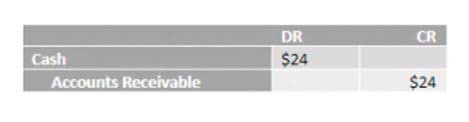
A higher amount of current assets typically indicates better liquidity, enhancing financial stability and creditworthiness. Trade receivables, a significant part of current assets, represent amounts owed to the firm by customers for goods or fixed assets services provided on credit. The net realizable value of these receivables is determined after accounting for allowances for doubtful accounts, ensuring that the asset information reflects the actual expected cash inflow.
General Categories of Fixed Assets (With Explanation)

They can include land, buildings, machinery, equipment, vehicles, furniture, and fixtures. These assets are considered essential for a company’s operations and Bookkeeping for Startups contribute to its long-term success. If assets are classified based on their convertibility into cash, assets are classified as either current assets or fixed assets.
If You Want to Check a Company’s Assets
- This ensures the balance sheet presents a realistic view of the asset’s current value and prevents overstating assets.
- Current assets can range from barrels of crude oil, fabricated goods, inventory for works in progress, raw materials, or foreign currency depending on the nature of the business and the products it markets.
- This division of cost establishes the proper balances in the appropriate accounts.
- In the scenario of a company in a high-risk industry, understanding which assets are tangible and intangible helps to assess its solvency and risk.
- This standardized structure allows investors and analysts to compare financial statements across different periods or companies.
Marketable securities are highly liquid instruments that include stocks, Treasuries, commercial paper, exchange-traded funds (ETFs), and other money market instruments. Understanding both asset are plant assets current assets types is necessary for assessing a company’s financial position and risk. If you picture a business as a process that creates wealth for the owners, PP&E are the physical machine. Left by themselves, PP&E just sit there, but put into action by people with energy and purpose, they become a money-making machine. – Resources that are is expected to have an economic benefit to the business entity in the future.

- The mention of reporting PP&E as a single line item on the balance sheet, inclusive of both acquisition cost and accumulated depreciation, is a testament to the article’s attention to detail.
- Misclassifying a long-term asset as current would artificially inflate this ratio, presenting a misleading picture of the firm’s immediate ability to cover its obligations.
- A company’s financial statement will generally classify its assets into distinct categories, including fixed assets and current assets.
- Plant assets, also known as property, plant, and equipment (PP&E), are tangible assets with a useful life of more than one year.
- Companies may periodically invest in repairs or renovations to keep buildings safe, efficient, and compliant with regulations.
- Property, Plant, and Equipment, often referred to as fixed assets or capital assets, are the tangible resources central to a company’s operations.
- These assets are expected to provide economic benefits to the company beyond the current accounting period.
The company still owns the asset, and an accountant will record its full value on the asset side of the balance sheet and the corresponding payment obligation on the liability side of the balance sheet. Plant assets are subject to depreciation, which is the process of allocating the cost of an asset over its useful life. Depreciation helps to reflect the gradual loss of value and obsolescence of these assets as they are used in the production process or over time.
Classification of Assets: Physical Existence
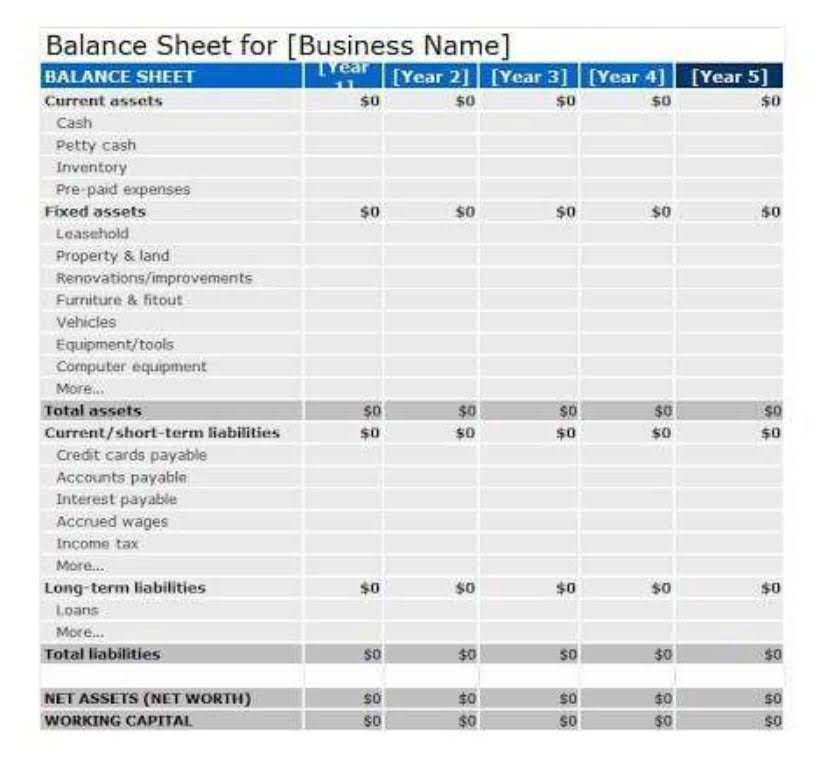
As mentioned, equipment is not a current asset, but it is considered a benefit to the company. Furthermore, the article correctly highlights the illiquidity of PP&E, emphasizing that these assets cannot be easily converted into cash. This is a crucial aspect of financial planning and analysis, as liquidity plays a vital role in assessing an organization’s ability to meet short-term obligations. Which of Printing Plus’s liabilities will require payment or settlement within a year? Accounts payable, amounts the company owes to suppliers, are almost always due within 30 to 60 days.
Why learn how to account for property, plant, and equipment?
Companies generally reassess plant asset values annually, especially for impairment purposes, or if significant changes, such as major repairs or updates, occur. Regular reassessment ensures that financial statements reflect the true value of assets. Plant assets are usually expensive, long-term investments made to underpin a company’s production process. Needless to say, they’re an enormously important part of producing goods and/or services in an economically efficient manner. Businesses must be especially careful in making these investments since buildings and land are immovable and can’t be easily substituted.